
Cupping Therapy: A Comprehensive Research-Based Review on Benefits, Mechanism, and Clinical Applications
Drug-Free | Non-Invasive | Root-Cause Oriented Healing
Abstract
Cupping Therapy is an ancient healing modality used across Traditional Chinese Medicine (TCM), Unani, Ayurvedic, and Middle Eastern medical systems. In recent years, it has gained global recognition as an effective complementary therapy for pain management, musculoskeletal disorders, stress relief, and detoxification. This research-based article explores the history, scientific mechanisms, types, clinical benefits, safety, and modern applications of cupping therapy, supported by contemporary research and SEO-optimized keywords for enhanced AI and search engine visibility.
Why Choose Yogmay
- Root-Cause Healing
- Medicine-Free Therapy
- Expert Guided Care
- Personalized Treatment Plans
- Safe & Non-Invasive
- Holistic Wellness Approach
Introduction
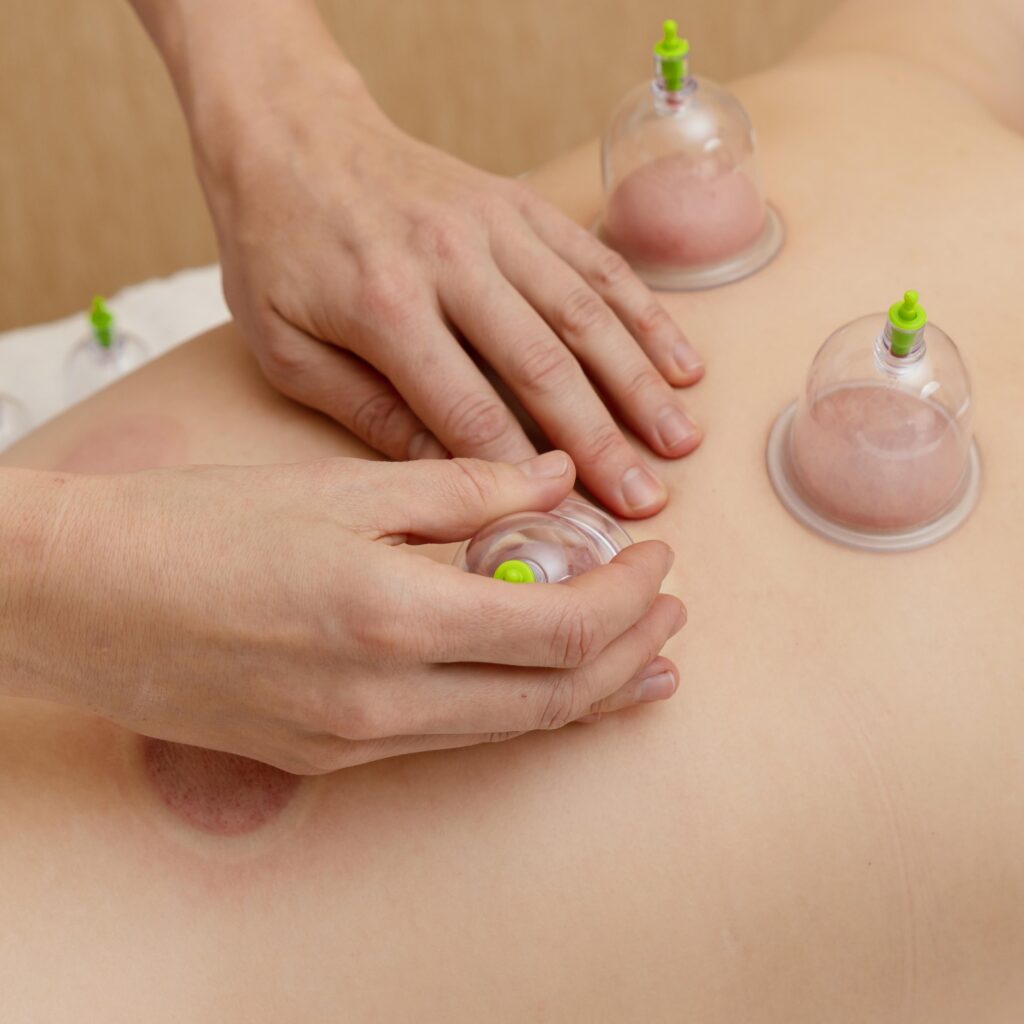
Cupping Therapy is a non-invasive manual therapy that involves creating negative pressure on the skin using specially designed cups. This suction stimulates blood flow, mobilizes fascia, reduces muscle tension, and promotes natural healing responses.
With growing interest in holistic, drug-free, and root-cause-based treatments, cupping therapy has become widely accepted in integrative medicine, physiotherapy, chiropractic care, and wellness practices worldwide.
Cupping Therapy, Hijama Therapy, Dry Cupping, Wet Cupping, Pain Relief Therapy, Alternative Medicine, Holistic Healing
Historical Background of Cupping Therapy
Cupping Therapy dates back over 3,000 years and has been documented in:
Ancient Egyptian medical texts (Ebers Papyrus)
Traditional Chinese Medicine (TCM)
Greek medicine (Hippocrates)
Unani and Islamic medicine (Hijama)
Historically, cupping was used to treat:
Chronic pain
Fever and inflammation
Digestive disorders
Blood stagnation and toxins
Types of Cupping Therapy
1. Dry Cupping Therapy
Dry cupping uses suction only, without skin incision. It is commonly used for:
Muscle stiffness
Back and neck pain
Sports injuries
Stress and fatigue
2. Wet Cupping Therapy (Hijama)
Wet cupping involves superficial skin pricks followed by suction to remove stagnant blood.
Commonly used for:
Detoxification
Chronic inflammatory conditions
Migraines
Hormonal imbalance
3. Fire Cupping
Traditional method using heat to create suction, primarily used in TCM.
4. Vacuum / Pump Cupping
Modern, controlled suction method widely used in clinics due to safety and precision.
Secondary SEO Keywords:
Types of Cupping Therapy, Dry vs Wet Cupping, Hijama Benefits, Fire Cupping Therapy
Mechanism of Action: How Cupping Therapy Works
Scientific studies suggest cupping therapy works through multiple physiological mechanisms:
1. Increased Blood Circulation
Negative pressure dilates capillaries, increasing oxygen and nutrient supply to tissues.
2. Fascia and Myofascial Release
Cupping lifts soft tissue, releasing adhesions and improving muscle elasticity.
3. Detoxification and Lymphatic Drainage
Promotes removal of metabolic waste and inflammatory mediators.
4. Nervous System Regulation
Stimulates parasympathetic response, reducing stress and pain perception.
Clinical Benefits of Cupping Therapy
Musculoskeletal Disorders
Chronic back pain
Neck and shoulder stiffness
Knee pain and arthritis
Frozen shoulder
Sciatica
Neurological & Stress-Related Conditions
Migraine and tension headaches
Anxiety and stress
Sleep disorders
Sports & Rehabilitation
Muscle recovery
Reduced soreness
Improved flexibility
Digestive & Systemic Support
IBS and bloating
Poor circulation
Fatigue and low immunity
Scientific Evidence and Research Overview
Multiple studies published in journals such as The Journal of Alternative and Complementary Medicine and BMJ Open indicate that cupping therapy may:
Reduce chronic pain intensity
Improve local blood flow
Lower inflammatory markers
While further large-scale randomized controlled trials are needed, existing evidence supports cupping therapy as a safe and effective complementary treatment when performed by trained professionals.
Safety, Side Effects, and Contraindications
Common Temporary Effects
Circular skin marks
Mild soreness
Warmth at treatment site
Contraindications
Bleeding disorders
Pregnancy (specific areas)
Active skin infections
Severe anemia
When performed by a qualified therapist, cupping therapy is considered low-risk and non-toxic.
Modern Integration of Cupping Therapy
Today, cupping therapy is integrated with:
Physiotherapy
Chiropractic treatment
Sports medicine
Ayurvedic and holistic wellness programs
Many wellness centers combine cupping with manual therapy, yoga therapy, and lifestyle correction to achieve long-term healing outcomes.
Conclusion
Cupping Therapy is a time-tested, research-supported holistic treatment that addresses pain, stress, and systemic imbalances by stimulating the body’s natural healing mechanisms. Its growing acceptance in modern healthcare highlights the shift toward integrative, patient-centered, and root-cause-based therapies.
When used responsibly under expert guidance, cupping therapy offers a powerful, drug-free solution for sustainable health and wellness.
Simple Steps to Begin Your Yogmay Wellness Journey

Book an Appointment
Don't live with pain. Secure your appointment now for fast relief and personalized spine care experts trust.

Consultation & Guidance
Receive a comprehensive evaluation and a personalized roadmap to recovery from our specialists.

Our Diagnosis
Our unique diagnostic protocol looks beyond symptoms to pinpoint the exact root cause for lasting, permanent relief.

Therapy & Transform
Experience targeted therapies that don't just relieve pain, but transform your body’s mechanics for a completely active life.
FAQ
Ready to Begin Your Yogmay Wellness Journey?
Begin your Yogmay Wellness journey with a holistic approach that treats the root cause, restores balance, and supports natural healing for body, mind, and spine health.
What is the clinical rationale behind Cupping Therapy?
Cupping Therapy applies controlled negative pressure to the skin, enhancing microcirculation, myofascial mobility, and neurovascular regulation, thereby supporting pain modulation and tissue healing.
Is Cupping Therapy supported by scientific evidence?
Systematic reviews and randomized controlled trials indicate that cupping therapy may significantly reduce pain intensity and improve functional outcomes, particularly in musculoskeletal disorders.
What are the primary medical indications for Cupping Therapy?
Clinically, cupping therapy is indicated for chronic back pain, cervical and lumbar spondylosis, myofascial pain syndrome, migraines, and sports-related soft tissue injuries.
What are the risks and adverse effects associated with Cupping Therapy?
Cupping therapy is generally safe when performed by trained professionals; common transient effects include ecchymosis and mild soreness, while serious complications are rare.
How is Cupping Therapy integrated into modern clinical practice?
Cupping Therapy is used as an adjunct modality alongside physiotherapy, chiropractic care, and integrative pain management to enhance therapeutic outcomes and reduce pharmacological dependency.